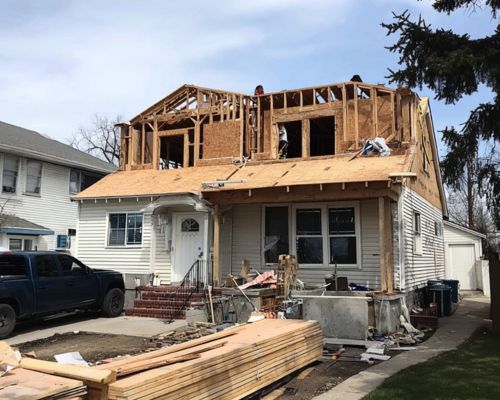
How to Update a Historic Home in Halifax
| Renovation Area | Key Challenges | Heritage Considerations | Typical Cost Range |
|---|---|---|---|
| Electrical (knob-and-tube) | Full rewire often required, insurance pressure | Interior, no heritage review needed | $12,000–$25,000+ |
| Plumbing | Lead supply lines, cast iron drains, galvanized pipes | Interior, no heritage review needed | $8,000–$20,000+ |
| Insulation & Air Sealing | Asbestos, vermiculite, balloon framing complexity | Interior, no review; exterior cladding may require review | $15,000–$40,000+ |
| Kitchen | Plaster walls, unconventional layouts, load-bearing walls | Interior changes generally exempt; rear additions may require review | $25,000–$80,000+ |
| Bathrooms | Old cast iron, limited space, subfloor condition | Interior, no heritage review needed | $15,000–$40,000+ |
| Windows & Doors | Original wood windows, repair vs. replace debate | Exterior, Certificate of Appropriateness likely required in HCDs | $800–$2,500 per window |
| Exterior & Envelope | Original cladding, wood trim, masonry, cedar shingles | Full heritage review required in Heritage Conservation Districts | $20,000–$80,000+ |
| Foundation | Stone rubble, early concrete, moisture intrusion | Interior work generally exempt; exterior excavation may require review | $15,000–$60,000+ |
Why Updating a Historic Halifax Home Is a Different Kind of Project
Halifax's residential neighbourhoods contain some of the oldest housing stock in Canada. Victorian doubles, Edwardian foursquares, wartime cottages, and pre-Confederation Cape Cod homes are found throughout the South End, North End, West End, and across the Dartmouth peninsula. Owning one of these homes is a privilege, but renovating it is a discipline of its own.
Updating a historic home in Halifax requires navigating three layers of complexity that simply don't exist in a standard renovation: the physical reality of old construction (materials and methods that are no longer used), the regulatory requirements of heritage oversight (both municipal and provincial), and the philosophical question of how much to change and how much to preserve. Getting all three right is what separates a successful historic home renovation from an expensive mistake.
This guide covers what you need to know before you renovate, and how to approach each major element of the project.
Step 1: Understand Your Heritage Status Before You Touch Anything
Not all old homes in Halifax are subject to the same heritage rules. There are three tiers of heritage status that matter:
1. Municipally Registered Heritage Properties
These are properties listed on HRM's Registry of Heritage Properties under the Heritage Property Act. Owners of registered heritage properties may qualify for some financial programs (see below), but substantial alterations to the exterior require approval. Most maintenance that keeps materials and design the same as before is classified as a non-substantial alteration and is approved by staff at the permit stage with no extra application. Substantial alterations (typically significant exterior changes, changes to prominent architectural elements, or changes to the building's form or volume) require an application, review by the Heritage Advisory Committee, and approval by Regional Council. Contact HRM heritage staff at cushine@halifax.ca or 902.478.2586 before starting any permit application on a registered property.
2. Properties in Heritage Conservation Districts (HCDs)
HRM has three established Heritage Conservation Districts: Barrington Street, Old South Suburb, and Schmidtville. If your property is within an HCD, certain exterior alterations require a Certificate of Appropriateness, a formal approval issued by HRM. This applies to additions, new structures, changes to cladding, windows, doors, chimneys, facades, and more. Non-substantial maintenance (same materials, same design) typically does not require a certificate. Learn more at Halifax's heritage properties page, and see our guide to renovating a heritage property in Halifax for the approval process step by step.
3. Character-Contributing Properties
Your home may be in a historic neighbourhood without being formally registered or in an HCD. In that case, standard zoning rules apply, but the character of the neighbourhood may still inform what's appropriate, and what a future buyer will value. Sympathetic renovations that preserve original details typically command a premium at resale.
If you're not sure of your property's status, check the HRM Heritage Properties portal or call 3-1-1.
Step 2: Commission a Pre-Renovation Assessment
Before you design anything, have a qualified professional assess what you're working with. A historic home pre-renovation assessment typically covers:
- Structural integrity: Foundation condition, load-bearing wall configuration, balloon framing vs. platform framing, roof structure
- Hazardous materials: Asbestos (found in insulation, drywall compound, linoleum tiles, lath and plaster, pipe tape, and siding, particularly in materials made before 1990), lead paint (Health Canada says a home built before 1960 probably contains lead-based paint), and vermiculite insulation (should be tested for asbestos before disturbance)
- Electrical: Presence of knob-and-tube wiring, aluminum wiring, panel capacity, grounding
- Plumbing: Pipe material (lead supply lines, galvanized iron, cast iron drains), condition, and drain slope
- Envelope: Wall insulation type and condition, air leakage, window condition, roof and flashing
- Moisture: Basement moisture, evidence of past leaks, rot in framing or sills
Skipping this step is the single most common cause of budget disasters in historic home renovations. What's behind the walls of a 100-year-old home is rarely what you expect.
Step 3: Tackle the Mechanical and Systems First
In a historic home renovation, the rule is infrastructure before aesthetics. The beautiful kitchen and bathrooms come after the essential systems are sorted, because the systems will determine what the finished spaces can actually look like.
Electrical
Knob-and-tube wiring, the dominant system in Halifax homes built before approximately 1940, is not inherently unsafe if it is in good condition and has not been modified. However, most insurers in Nova Scotia now require a complete electrical inspection of homes with knob-and-tube, and many will not insure homes with active knob-and-tube at all, or will significantly increase premiums. If you're renovating, the practical reality is that walls will be open anyway, making a full rewire the most economical time to do it. Budget $12,000–$25,000+ for a complete rewire of a typical Halifax century home, depending on size and complexity.
Plumbing
Older Halifax homes may have lead supply pipes (in homes built before the 1950s), galvanized steel pipes (which corrode internally and reduce flow over time), or cast iron drains (which are durable but can crack). A full plumbing renovation on a historic home replaces supply lines with copper or PEX, drains with ABS, and typically involves relocating fixtures to improve layouts. A plumbing permit is required for any relocation of supply or drain lines. Budget $8,000–$20,000+ depending on scope.
Heating and Ventilation
Many Halifax heritage homes were heated with oil-fired forced-air systems or steam radiators, both of which are functional but inefficient by modern standards. Ductless mini-split heat pumps are now the dominant upgrade choice for historic homes in Nova Scotia: they require no duct work, can be installed with minimal wall penetration, deliver both heating and cooling, and are eligible for Nova Scotia's Efficiency Nova Scotia rebates. A full heat pump installation in a heritage home typically costs $8,000–$20,000 depending on the number of zones.
Step 4: Address the Envelope, Carefully
The building envelope (walls, windows, roof, and foundation) is where historic home renovations get philosophically complicated. This is also where heritage rules have the most practical impact.
Insulation and Air Sealing
Most Halifax heritage homes are dramatically underinsulated by modern standards. Balloon-framed walls (a construction method common before 1940, where studs run continuously from foundation to roof) present a particular challenge: the continuous stud bays act as chimney flues for air movement, and adding insulation without addressing air sealing can create moisture problems.
Interior insulation approaches (adding insulation from the inside rather than removing cladding) are often the preferred method for heritage properties, as they preserve original exterior cladding. Spray foam in stud bays, rigid board against foundation walls, and blown-in cellulose or mineral wool are common approaches. Any insulation work on a home built before 1990 should be preceded by asbestos testing by a professional.
Windows
Original wood windows in Halifax heritage homes are a point of genuine debate. A well-maintained original wood window with a good storm window can perform nearly as well as a modern double-pane replacement, and original windows are generally the preferred choice in Heritage Conservation Districts. If windows must be replaced on a registered property or in an HCD, confirm with HRM heritage staff what the replacements need to match (profile, material, and divided light pattern) before ordering. Modern materials such as vinyl windows are not eligible for HRM heritage incentive funding. Custom wood reproductions that match the originals are the safest choice. Budget $800–$2,500 per window for custom reproduction windows.
Exterior Cladding
Original wood cladding (clapboard, shingles, board-and-batten) should be preserved and repaired wherever possible. Where replacement is necessary, wood is the appropriate material. Vinyl siding is not eligible for HRM heritage incentive funding, and metal or plastic cladding is excluded from the provincial HST rebate, so confirm any replacement material with HRM heritage staff first. Any exterior cladding changes on registered properties or within HCDs require heritage review and, in most cases, a Certificate of Appropriateness.
Step 5: Kitchen and Bathroom Renovations in a Historic Home
Kitchens and bathrooms are where most Halifax homeowners feel the gap between original construction and modern expectations most acutely, and where renovation delivers the most quality-of-life return.
Kitchens
The typical Halifax heritage kitchen is a small, closed room at the rear of the home, often poorly lit, with original plaster walls, uneven floors, and a layout that predates the open-plan era. Updating it almost always involves removing at least one wall, and in many homes that wall is load-bearing. Load-bearing wall removal in a historic home requires structural engineering and a building permit. The replacement beam (typically a steel I-beam or LVL) must be sized by a structural engineer and inspected before the ceiling is closed in.
On the design side, a well-executed kitchen renovation in a Halifax heritage home balances new convenience with original character. Shaker-style cabinetry, soapstone or honed stone countertops, and subway tile backsplashes read as sympathetic to the original architecture without being anachronistic. Exposed brick or original wood beams, if present, are worth preserving and celebrating rather than concealing. Visit our kitchen renovation services page to see HGC's approach.
Bathrooms
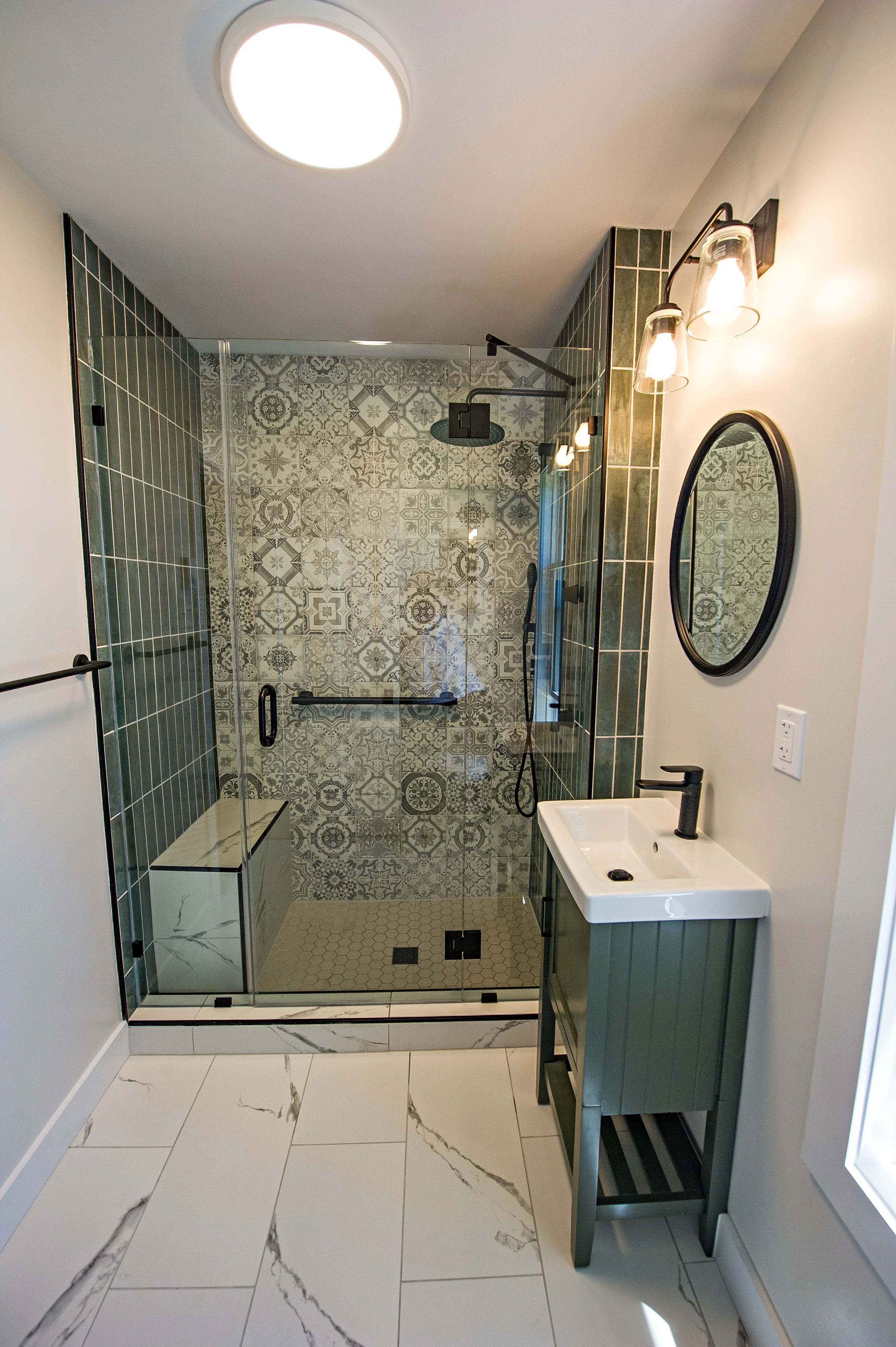
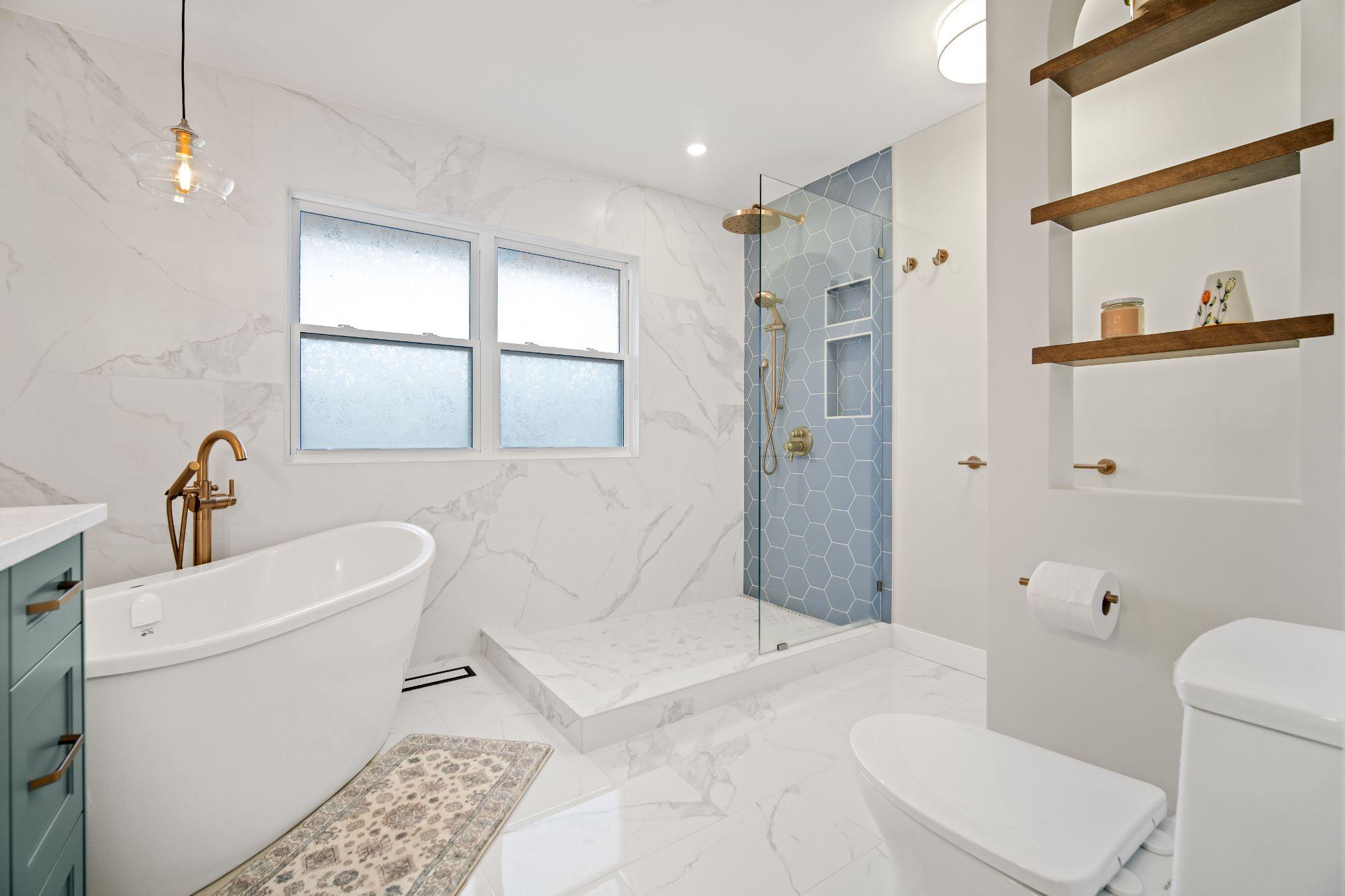
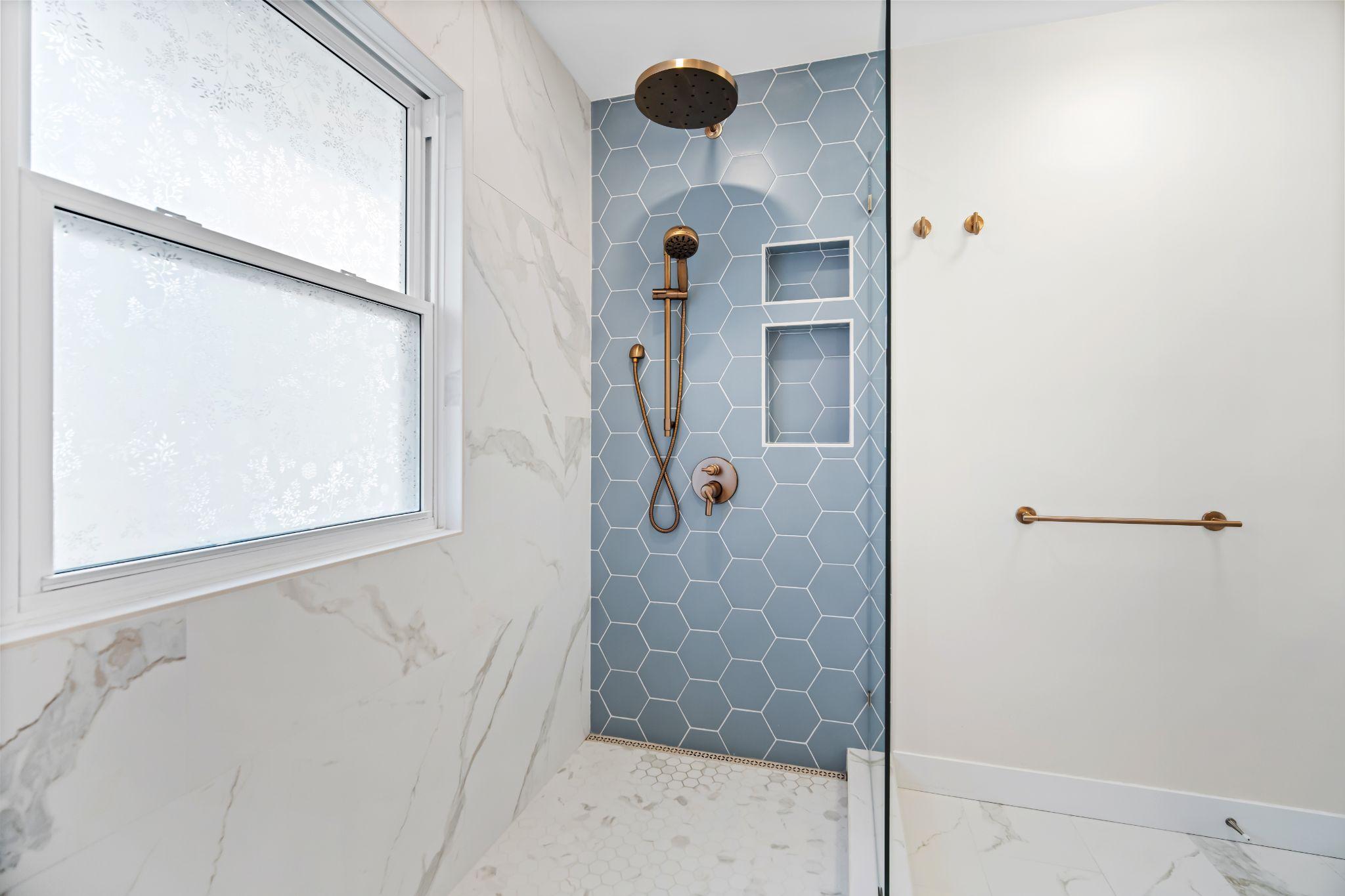
Original Halifax homes often have small, awkward bathrooms added in the early 20th century, frequently converted from closets or bedrooms. Updating them means working with plaster walls, uneven subfloors (particularly in homes that experienced differential settling after the 1917 Halifax Explosion), and cast iron drains that may need re-routing. Heated tile floors, custom built-in cabinetry, and subway or hex tile maintain period-appropriate aesthetics while delivering modern comfort. See our bathroom renovation services page for inspiration.
Step 6: Preserve Original Details: They're Worth More Than You Think
The features that make a Halifax heritage home valuable at resale are the same features that make it worth owning: original hardwood floors (typically fir or maple, often hidden under layers of linoleum or carpet), original millwork (baseboards, door casings, window aprons, built-in cabinetry), original doors (solid wood, often with original hardware), plaster ceiling medallions, and decorative brick or stone fireplaces.
A good historic renovation exposes and restores these features rather than concealing them. Hardwood floors can typically be refinished three to five times before they become too thin: strip the floor to bare wood, fill gaps, sand, and refinish. Original millwork that is damaged can often be replicated by a skilled millworker using a router table and original profiles. Original doors that don't seal well can be rehung, have weatherstripping added, and have their hardware restored rather than being replaced.
Available Grants and Financial Incentives for Halifax Heritage Homeowners
Owners of registered heritage properties in Halifax have access to several financial programs:
HRM Heritage Incentives Program (HIP)
HRM's 2026 Heritage Incentives intake offered 50% matching grants of up to $15,000 for residential and $25,000 for commercial municipally registered heritage properties, for exterior conservation work. That intake closed June 15, 2026, and the Financial Incentives Program for Schmidtville and Old South Suburb has concluded. A new HRM Heritage Grant Program is expected to open for applications in 2027, so check the current intake with HRM before planning around it. For current status, visit HRM's heritage grants page.
Provincial HST Rebate on Materials
Nova Scotia rebates the provincial portion of HST on approved exterior materials used to fix up a registered heritage property. Labour is excluded, as is metal or plastic cladding, and the project must be approved before work starts. Details and the application are on the Province's heritage HST rebate page.
Nova Scotia Heritage Development Fund
The Province of Nova Scotia's Heritage Development Fund supports conservation work on properties registered under the Heritage Property Act. Applications for the 2026/27 fund cycle were open with a submission deadline of April 1, 2026. Visit Nova Scotia's Heritage Development Fund page for future intake information.
Efficiency Nova Scotia Rebates
Heat pump installations and energy efficiency upgrades are eligible for rebates through Efficiency Nova Scotia regardless of heritage status. Rebates for cold climate heat pumps, insulation upgrades, and air sealing are available. Visit efficiencyns.ca for current program details.
Step 7: Plan Your Phasing and Budget Realistically
The most important financial advice for historic home renovations is this: the scope almost always expands once walls are open. A kitchen renovation that reveals knob-and-tube wiring, asbestos-wrapped pipes, and a deteriorated subfloor is not unusual; it is the norm. Your budget needs contingency built in from the start, not added when surprises emerge.
A realistic contingency for a historic home renovation is 20–30% of the base construction budget, not the 10% standard for new construction. A fixed-price design-build contract, where the contractor has assessed the scope in detail before giving you a price, is the best protection against runaway costs. The alternative (a cost-plus arrangement with a separate designer and contractor) is the riskiest approach for historic renovation, where the unknowns are greatest.
Phasing is also a legitimate strategy. Many Halifax homeowners tackle historic home renovations in stages: mechanical systems in year one, kitchen and main bathroom in year two, exterior envelope in year three. Each phase is manageable, permits are straightforward, and you can live in the home throughout.
Working With HGC on Your Historic Halifax Home
Halifax General Contractors specializes in historic and heritage home renovations across HRM. Our design-build model means we handle every element, from pre-renovation assessment and heritage compliance through permit management and construction, under one fixed-price contract. We've worked on homes from every era of Halifax's architectural history: pre-Confederation Cape Cods, Victorian doubles, Edwardian foursquares, interwar bungalows, and wartime cottages.
If you're planning a renovation of a historic home in Halifax, start with a conversation. We'll help you understand what you're working with, what the heritage rules mean for your specific property, and what a realistic scope and budget look like.
Request a free quote from HGC | How HGC's design + build process works | See before & after project photos | Kitchen renovations in Halifax | Bathroom renovations in Halifax
Related Reading:
Who Is the Best Historic Home Renovator in Halifax?
Who Is the Best Home Addition Contractor in Halifax?
Who Is the Best General Contractor in Halifax?