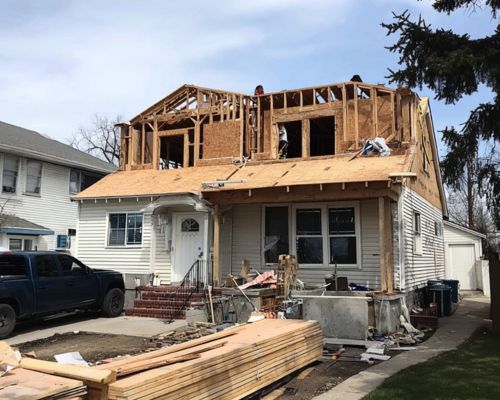
Do You Need A Permit For A Home Addition In Nova Scotia?
Yes — a building permit is required for all home additions in Nova Scotia. Whether you are adding a single room, extending the back of your house, building a second storey, or adding an attached garage, the Nova Scotia Building Code and Halifax Regional Municipality’s development bylaws require permits before any work begins.
This guide covers what triggers a permit for a home addition in Nova Scotia, how the process works in Halifax and HRM, what fees to expect, and how long it typically takes.
What Triggers A Building Permit For A Home Addition?
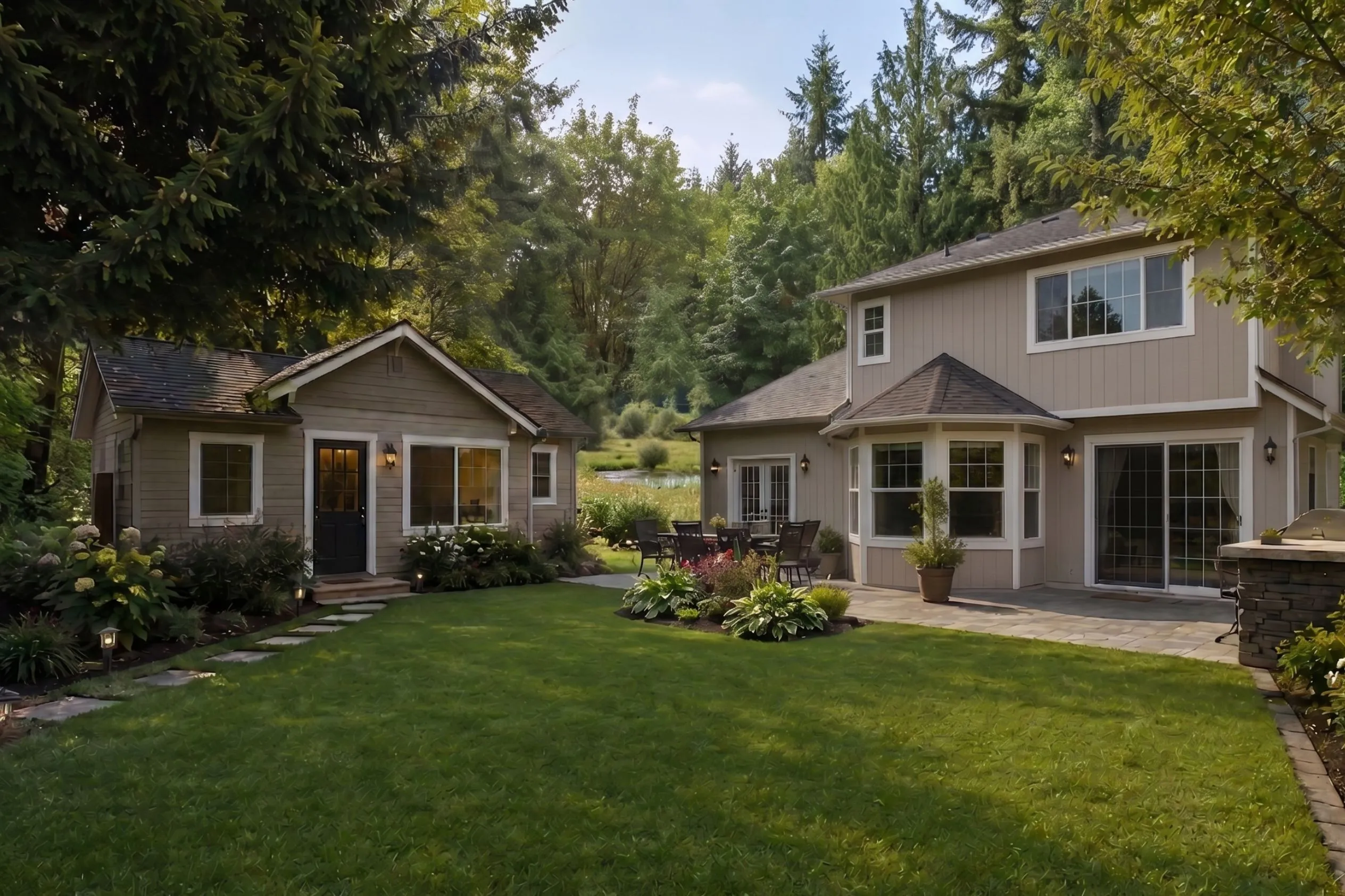
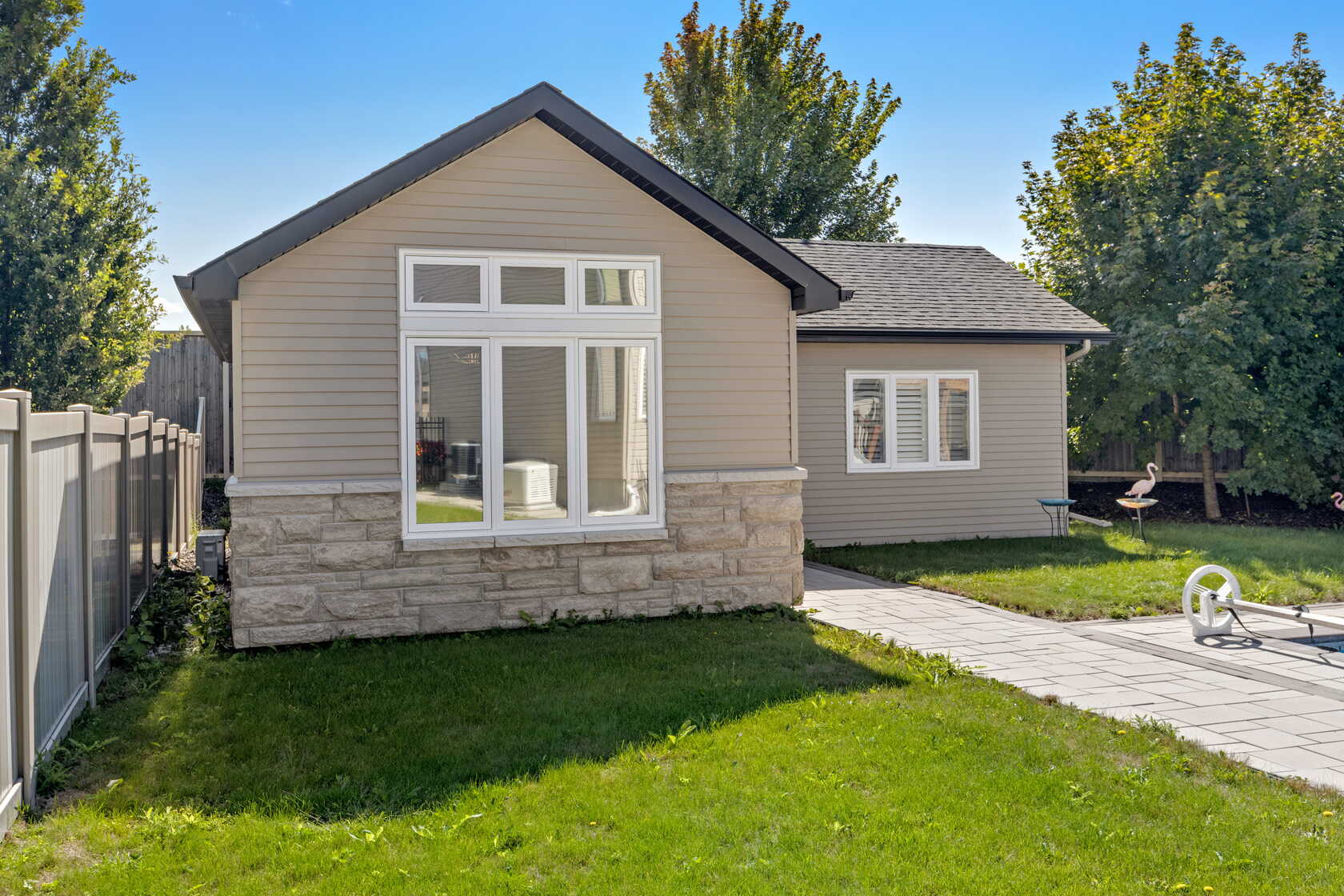
In Nova Scotia, a building permit is required for any addition that increases the footprint or volume of your home. This includes rear extensions, side extensions, second storey additions, sunroom additions, attached garage additions, and any new habitable space connected to the main structure. Even a relatively modest addition — say, a 200 square foot mudroom or family room extension — requires a full building permit application.
Permits Required For A Home Addition
| Permit Type | When Required | Approximate Fee |
|---|---|---|
| Development Permit | Always — confirms zoning compliance | $150 – $300 |
| Building Permit | Always — covers structure, fire safety, code compliance | $5.50 per $1,000 of construction value |
| Plumbing Permit | If addition includes new plumbing fixtures | $200 – $300 |
| Electrical Permit | If addition includes new electrical work | $79 – $400+ |
| Lot Grading Permit | If within HRM wastewater service area | Varies |
All related permits must be in place before the building permit is issued. HRM will hold the building permit until all associated permits are confirmed.
Zoning Requirements To Check First
Before submitting a permit application, confirm your proposed addition complies with your property’s zoning designation. Key rules include setback requirements (typically 1.2 to 1.5 metres on sides, 6 metres from the rear), maximum lot coverage (often 40–50% in residential zones), maximum building height, and any heritage overlay restrictions in older Halifax neighbourhoods.
You can check your property’s zoning using HRM’s online permit and zoning tools.
What Your Application Needs To Include
A complete building permit application for a home addition in Nova Scotia typically requires a site plan, floor plans drawn to scale, exterior elevation drawings, a foundation plan, and energy efficiency documentation. For second storey additions or load-bearing wall modifications, engineer-stamped structural drawings are required.
Inspections
Your addition must pass inspections at key stages: footing and foundation, framing, rough-in plumbing and electrical, insulation and air barrier, and a final inspection. You cannot occupy the new space until the final inspection is passed.
How Long Does The Permit Process Take?
In HRM, standard residential building permit applications typically take 4 to 8 weeks to review. Budget at least 6 to 10 weeks between submitting your application and receiving your permit before construction can begin.
Common Questions
Can I build a home addition without a permit?
No. Building without a permit is illegal and carries significant risks: stop-work orders, fines, and requirements to remove or redo unpermitted work. Unpermitted additions also create serious problems when selling your home.
Do I need a permit to add a sunroom or screened porch?
Yes. Any enclosed addition attached to the home requires a building permit. See our guide on sunroom addition costs in Halifax.
Get Help With Your Home Addition Permit
At Halifax General Contractors, we manage the full permit process for home additions — from zoning review and drawing preparation through submission, inspections, and permit close-out. Learn more about our home addition services.
For more on home additions, see our guides on home addition costs in Nova Scotia, home extension costs in Halifax, and permits for second storey additions.
Contact us today for a free consultation on your home addition project.