How To Convert a Garage To An Apartment In Halifax
Converting a garage into a legal apartment in Halifax is not treated like a simple renovation. In most cases, HRM views it as creating either a backyard suite (a separate accessory dwelling in a detached structure like a stand-alone garage) or a secondary suite (a self-contained unit within the main home). Either way, you are changing a space from an accessory use into habitable residential space, which triggers zoning checks and full building permit requirements before work starts.
If you want it done right (and rentable), the path is straightforward:
Confirm zoning and suite eligibility, design to HRM and Nova Scotia Building Code standards, obtain the required approvals, then build and pass inspections to receive occupancy.
Know what you are creating: Backyard suite vs secondary suite
Detached garage conversion: Backyard suite
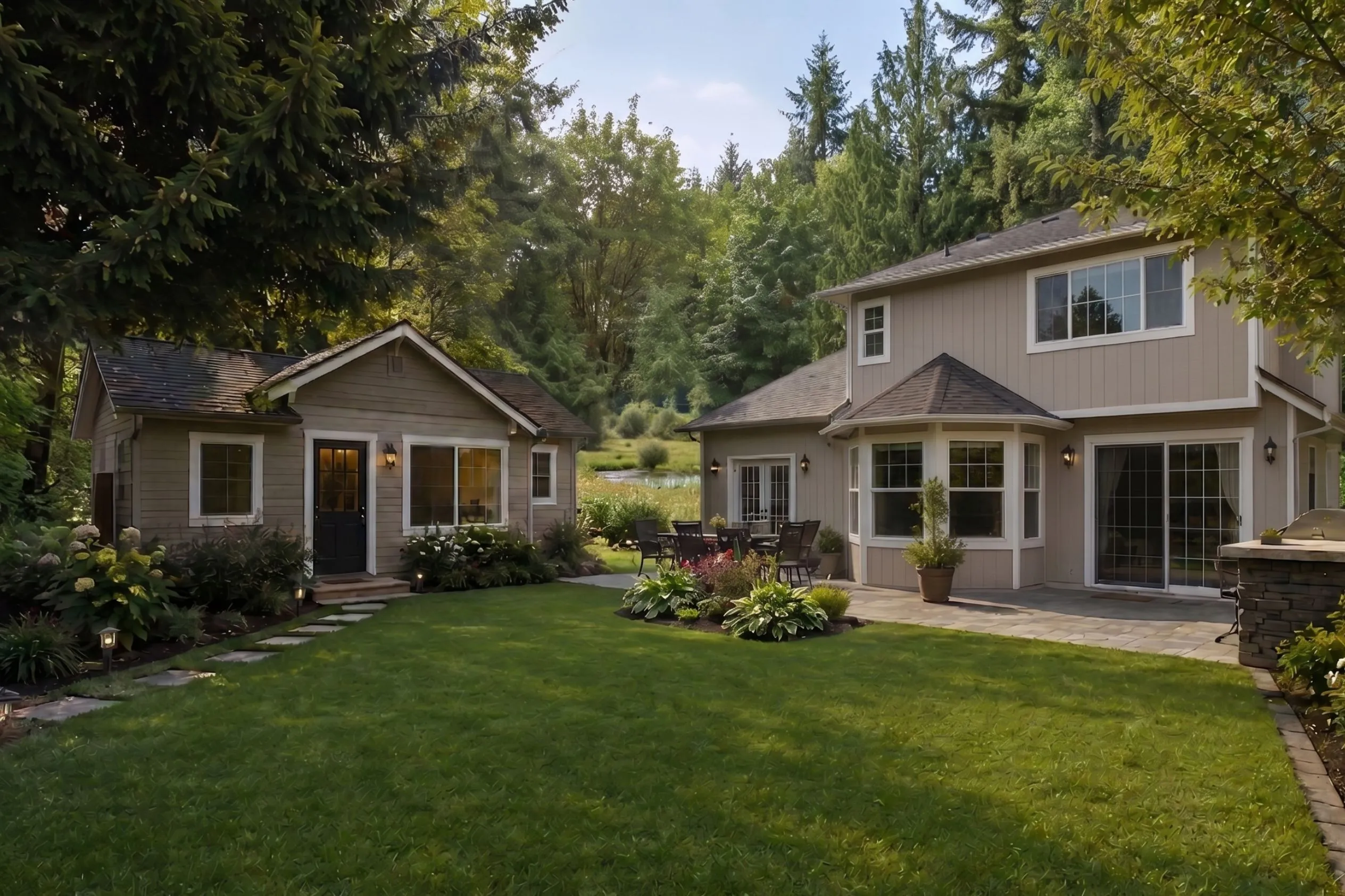
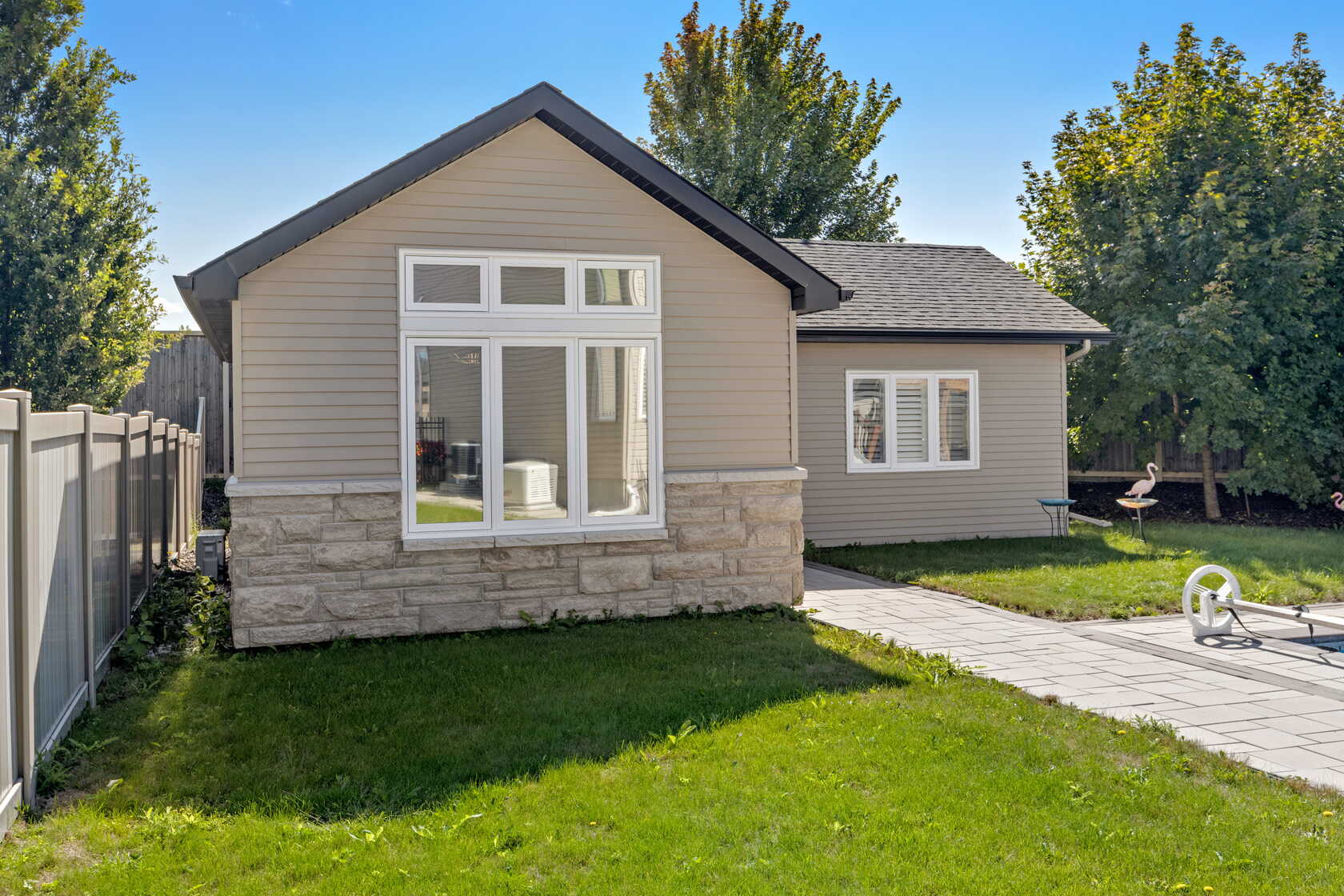
If your garage is detached from the main house and you convert it into a self-contained apartment, HRM generally treats this as a backyard suite. Backyard suites are accessory dwellings, meaning they must remain clearly secondary to the main house and meet specific size and siting rules.
Garage space within the home: Secondary suite
If the “garage conversion” is inside the footprint of the main dwelling (for example, an attached garage or a built-in garage bay), you are more likely creating a secondary suite. A secondary suite must be a complete dwelling unit with its own kitchen, bathroom, sleeping area, and living space.
Why this matters
Backyard suites and secondary suites can have different maximum sizes, and backyard suites also need to comply with accessory building rules in your specific land use by-law. The classification affects what HRM expects to see on your site plan and permit drawings, and it impacts your construction approach (especially for fire separation and egress).
Zoning rules in Halifax: What to confirm before you design
Step 1: Confirm your zoning and whether a suite is allowed
Your first job is confirming your property’s zoning (examples include ER-1, ER-2, R-1, and others) and whether a backyard or secondary suite is permitted on that lot. HRM has updated rules over the last few years so that secondary and backyard suites are broadly allowed in many residential areas, but the exact requirements still depend on the land use by-law that applies to your neighbourhood.
Step 2: Confirm whether you already have an accessory unit
In general, the intent is one accessory suite per eligible property. Before you spend money on design, confirm whether your lot already has a registered secondary suite or backyard suite, or whether previous owners created something that affects eligibility.
Step 3: Verify size caps and what “secondary” means
HRM’s guidance sets clear size limits:
- Secondary suite maximum floor area: 80 m²
- Backyard suite maximum floor area: 90 m², or the maximum size permitted for an accessory building in your land use by-law, whichever is smaller
This is why some garage conversions end up feeling like “almost a small new build” from a cost standpoint. Even if the structure exists, you still have to hit dwelling-unit standards and stay within the permitted size envelope.
Step 4: Check setbacks and height limits for backyard suites
Setback and height rules vary by zone and community plan area, but common requirements you will run into include:
- Minimum side or rear yard setback: 4 feet (1.2 m) (varies by by-law area, confirm for your district)
- Maximum height around 25 feet (about 7.6 m) in some by-law areas
Even if you are keeping the existing garage footprint, you still need to confirm that the structure’s placement and height comply with today’s rules for a dwelling suite.
Permits and approvals: What you will need and what to submit
Development permit: Zoning compliance and site approval
A development permit confirms that the suite is allowed on your lot and that the building location, setbacks, height, and use are compliant with zoning. This is especially important for backyard suites because HRM is looking at the suite like an accessory dwelling, not just a renovation.
Building permit: Required for change of use and dwelling construction
A building permit is mandatory when you convert a garage into a dwelling unit because you are changing the use and typically doing structural, mechanical, plumbing, and electrical work. HRM’s guidance is clear that secondary suites are permitted through the proper permits process, and backyard suites similarly require approval through permitting.
What your application package usually includes
Expect to provide:
- Site plan: property lines, house, garage/suite, setbacks, entrances, parking or access, and often garbage and recycling placement or screening
- Floor plans and building sections: layout, ceiling heights, insulation approach, and structural notes where changes occur
- Code and life-safety details: egress windows/doors, fire separations, smoke and CO alarm layout, exit paths
- MEP drawings or specs: heating and ventilation plan, plumbing connections, electrical load and panel details
HRM wants “permit-ready” documentation because an accessory dwelling is still a dwelling, and inspectors need clear compliance paths to sign off.
Designing to Nova Scotia and Halifax dwelling standards
Structure and building envelope: Your garage must perform like a house
Most garages were not built to be heated, insulated, airtight living space. Common challenges include:
- Foundations not designed for conditioned space loads or moisture control
- Framing that needs reinforcement to meet today’s structural expectations
- Slab and wall assemblies that need insulation and moisture detailing
- Windows and doors that need upgrades for energy performance and comfort
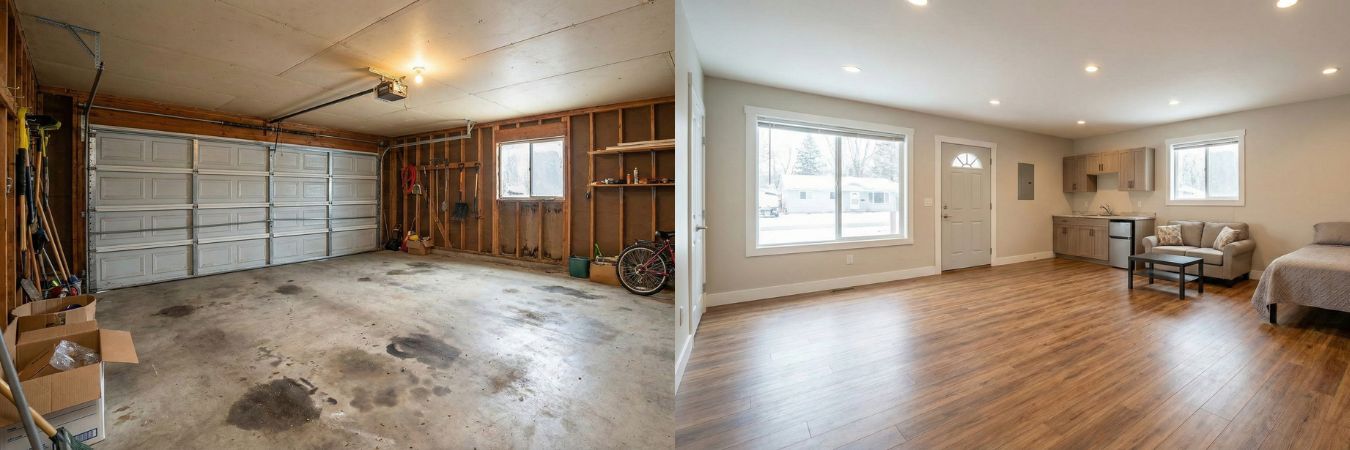
From a practical standpoint, many garage conversions require substantial rebuild work inside the shell, and sometimes partial demolition, to meet dwelling standards.
Fire and life safety: Egress and separation are non-negotiable
For legal occupancy, you must provide safe exits and meet fire safety requirements.
HRM’s secondary suite guide highlights that a separate means of egress is not always required if suites share an egress facility, but it also describes scenarios where a second means of egress is required, depending on the configuration and the fire-resistance rating of the passageway and exit conditions.
At a minimum, plan for:
- Proper bedroom egress windows or doors where required
- Safe travel paths to exits
- Fire separation details where the suite interfaces with other uses or structures
- Interconnected smoke and CO alarms as required by code
Mechanical, electrical, and plumbing: Treat it like a new unit
A suite needs full services sized for year-round occupancy:
- Heating: electric baseboards, ductless heat pump, or tie-in approaches that meet code and comfort expectations
- Ventilation: appropriate ventilation strategy for kitchens and baths and overall air quality
- Electrical: load calculations, potential service upgrade, dedicated circuits or subpanel strategy
- Plumbing: full kitchen and bath plumbing and proper tie-in to municipal services or septic capacity
This is where DIY approaches often fail. Even experienced homeowners underestimate how much “systems work” is required to make the unit safe, durable, and insurable.
Step-by-step process in Halifax: From feasibility to occupancy
Feasibility check
Start with reality checks before you design:
- Confirm zoning and suite eligibility for your lot Halifax
- Confirm whether a suite already exists on the property
- Measure garage area against the 90 m² backyard suite cap (and 80 m² for a secondary suite)
- Confirm setbacks and height against your applicable by-law area
Preliminary design and costing
Sketch a plan that includes:
- Entry location and privacy
- Kitchen and bath placement for efficient plumbing
- Bedroom layout and egress
- Storage, mechanical space, and laundry
- Garbage and recycling location, plus any screening needs
- Access and circulation to the unit
Budgeting note: garage conversions that become legal suites can price closer to small new builds on a per-square-foot basis because the structure must be upgraded to full dwelling standards.
Hire design professionals as needed
If you are altering structure (new openings, second storey, foundation work), or if your existing garage is older, you will likely need engineering support. Even without major structural change, designers who understand HRM suite rules can save months by producing permit-ready drawings the first time.
Apply for permits
Submit for development and building permits as required, with your site plan and construction drawings. Processing time varies by complexity and volume, so build schedule buffer into your plan.
Construction and inspections
Typical inspection milestones include:
- Structural and framing
- Rough-in plumbing and electrical
- Insulation and air barrier
- Final inspection
Any deficiencies noted by inspectors must be addressed before you can move forward to occupancy.
Occupancy and rental readiness
Do not move a tenant in or list the unit as a legal rental until you have final approvals. If you plan to rent, also confirm any applicable rental standards, safety requirements, and practical items like parking expectations for your area.
The bottom line
A Halifax garage-to-apartment conversion can be a fantastic way to create rental income, housing for family, or long-term flexibility. The key is treating it as what it really is: the creation of a new dwelling unit that must satisfy zoning and full building code requirements.
If you’re considering a garage-to-apartment conversion in Halifax, working with an experienced local builder makes all the difference. Halifax General Contractors understand HRM zoning rules, permit requirements, and Nova Scotia building code standards, so your project is designed, approved, and built properly from day one.
Whether you’re planning a backyard suite for rental income or a secondary suite for family, their team can guide you through feasibility, design, permits, and construction - with clear pricing and no shortcuts.