Do You Need A Permit For A Second Story Addition In Halifax?
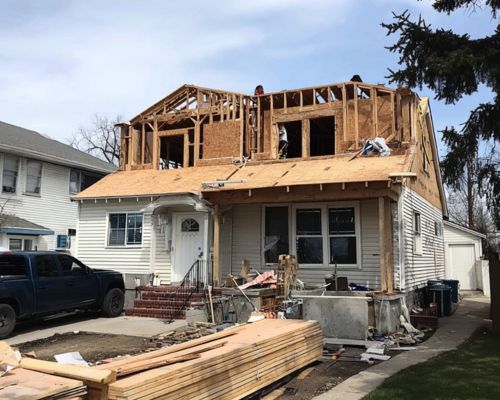
Yes, a second-story addition on a house in Halifax always requires a building permit. Unlike interior renovations or small exterior upgrades, adding a second story increases both the floor area and the height of the building and involves major structural work. Under local rules, that combination automatically places the project into permit-required territory.
In Halifax Regional Municipality, second-story additions are treated as full structural additions, not minor renovations. Because the work affects foundations, load-bearing walls, and the roof structure, it must be reviewed for zoning compliance and building-code safety before construction can begin.
Why a Permit Is Required for a Second-Story Addition
Halifax’s home-improvement rules are clear on this point. Any project that increases the floor area or the height of an existing building requires a building permit, and a second story is specifically cited as a common example of an addition.
From a technical standpoint, a second-story addition fundamentally changes how the house behaves structurally. The new level adds weight to the building, alters load paths, and often requires modifications to the existing roof system. Even if the footprint of the house does not change, the structure beneath must be evaluated to ensure it can safely support the additional story.
Because of these risks, Halifax does not treat second-story projects as optional or discretionary from a permitting standpoint. A permit is mandatory regardless of whether the work is done over the entire house or only a portion of it.
Structural Implications of Adding a Second Story
A second-story addition is not just “building upward.” It affects nearly every structural component of the home.
Foundation and Load Capacity
The existing foundation must be assessed to confirm it can carry the increased load. In some cases, footings or foundation walls may need reinforcement or modification to meet current code requirements.
Load-Bearing Walls
Walls that previously supported only a roof may now need to support an entire floor. This often requires structural upgrades, such as larger studs, added posts, or engineered beams.
Roof Removal and Rebuild
Most second-story additions involve removing the existing roof and rebuilding it after the new level is framed. This alone places the project firmly in the category of major structural work.
Because these changes affect life safety and structural integrity, Halifax requires formal review through the building-permit process.
Permit Type and What It Covers
For a second-story project, you apply for a Building Permit – Addition. This is a comprehensive permit that covers two critical approvals in a single process.
Development Approval
The building permit review includes zoning and land-use checks to confirm the addition complies with local rules, such as:
- Maximum building height
- Setbacks from property lines
- Lot coverage limits
- Massing and projections
If the proposed second story exceeds zoning limits, a variance or additional planning approval may be required before the building permit can be issued.
Building-Code Review
The same permit application also triggers a full building-code review. This ensures the new story meets requirements for:
- Structural design and loads
- Fire separation and fire safety
- Stair design and headroom
- Egress and exit requirements
- Smoke and carbon monoxide alarms
- Insulation and energy efficiency
This combined review is why the Building Permit – Addition is mandatory for second-story work in Halifax.
Related Permits You Will Likely Need
In addition to the main building permit, second-story additions usually require several related permits.
Plumbing Permit
If the new story includes bathrooms, laundry rooms, or other plumbing fixtures, a plumbing permit is required. This covers new water supply lines, drainage, venting, and fixture installation.
Electrical Permit
Electrical permits are almost always required for second-story additions. New circuits, lighting, outlets, smoke alarms, and sometimes panel upgrades must be inspected to meet electrical code.
Lot Grading or Right-of-Way Permits
If the project affects exterior grading, drainage, or servicing connections, Halifax may require a lot-grading permit. In rare cases where work impacts municipal property or services, a right-of-way permit may also apply.
Drawings and Documents You Will Need
Second-story additions require detailed documentation. Halifax will not issue a permit based on sketches or conceptual layouts alone.
Construction Plans
You will need full construction plans showing both the existing house and the proposed addition. These typically include:
- Floor plans of all levels, existing and proposed
- Room labels and uses
- Wall locations and dimensions
- Sizes and spans of framing members
- Beams, posts, and load-bearing elements
- Plumbing and electrical fixture locations
- HVAC layouts and ventilation
- Smoke and carbon monoxide alarm locations
- Total floor area by level
These drawings allow reviewers to confirm compliance with both zoning and building-code requirements.
Site Plan
A site plan is also required and must show:
- Property boundaries and lot dimensions
- Existing house footprint
- Proposed second-story massing or projections
- Distances from the building to all property lines
- Driveways, walkways, and accessory structures
The site plan confirms that the added height and mass comply with zoning rules.
Professional Design and Structural Review
For real projects in Halifax, second-story addition drawings are typically prepared or at least structurally stamped by a professional engineer or architect. This is not just a formality.
Because the project changes structural loads, Halifax expects qualified professionals to verify:
- Foundation capacity
- Load paths from roof to footing
- Beam and column sizing
- Lateral stability
Without professional involvement, permit approval is unlikely.
Inspections During Construction
Once the permit is issued, inspections are required at specific stages of construction.
Typical Inspection Stages
For a second-story addition, inspections commonly include:
- Foundation or structural reinforcement inspections
- Framing inspections before insulation
- Plumbing and electrical rough-ins
- Insulation and vapour barrier inspection
- Final inspection once construction is complete
The property owner is responsible for requesting inspections at the correct times. Missing an inspection can cause delays or require work to be exposed again.
How Long the Permit Process Takes
Because second-story additions involve zoning review and structural evaluation, the permit process takes longer than simple renovations.
The timeline depends on:
- Completeness of drawings
- Whether zoning variances are required
- Structural complexity of the design
- Review workload at the municipality
Submitting clear, professional drawings from the start is the best way to avoid delays.
Common Mistakes Homeowners Make
Second-story additions are complex, and certain mistakes can cause significant issues.
Assuming Permits Are Optional
Some homeowners assume that building upward without changing the footprint avoids permitting. In Halifax, this is incorrect. Height increases alone require a permit.
Underestimating Design Requirements
Rough plans or incomplete drawings often lead to application rejections or multiple rounds of revisions. Professional plans save time in the long run.
Starting Work Too Early
Beginning demolition or framing before permits are issued can result in stop-work orders, fines, and inspection complications.
Practical Takeaway for Halifax Homeowners
A second-story addition in Halifax is one of the most regulated residential projects you can undertake. It always requires a building permit, along with detailed construction drawings and, in most cases, professional engineering or architectural involvement.
If you are planning to build upward, expect a full permit review covering zoning, structure, fire safety, and building code compliance. Plan for related trade permits, staged inspections, and a longer approval timeline than smaller renovations.
Handled properly, the permit process protects your investment and ensures the addition is safe, compliant, and legally recognized. Skipping steps or underestimating requirements can quickly turn a major upgrade into a costly problem.