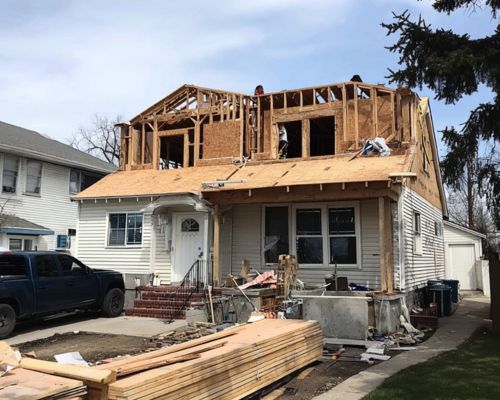
Do I Need Permits For a Home Addition In Halifax?
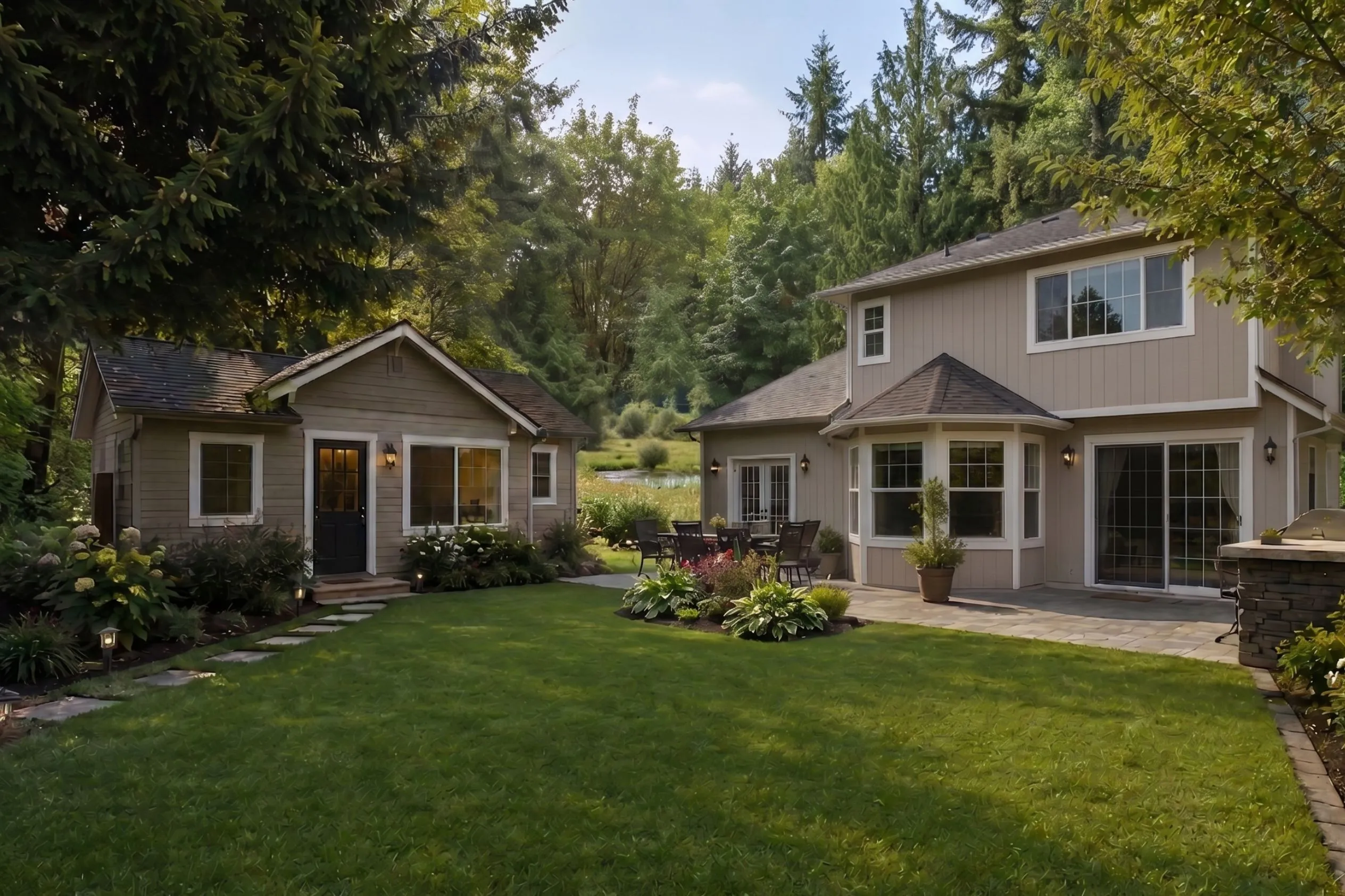
Yes. Any home addition in Halifax that increases the floor area, height, or enclosed volume of an existing house requires a building permit. This applies whether the project is a modest rear bump-out or a full second-storey addition. Halifax Regional Municipality regulates additions carefully because they affect zoning compliance, structural integrity, and building code performance.
Homeowners often underestimate how many projects qualify as additions. In Halifax, many renovations cross the line into regulated construction and must be approved before work begins.
Keep reading to understand the full permitting process for additions and see how HGC makes building your next home addition a breeze!

What Halifax considers a home addition
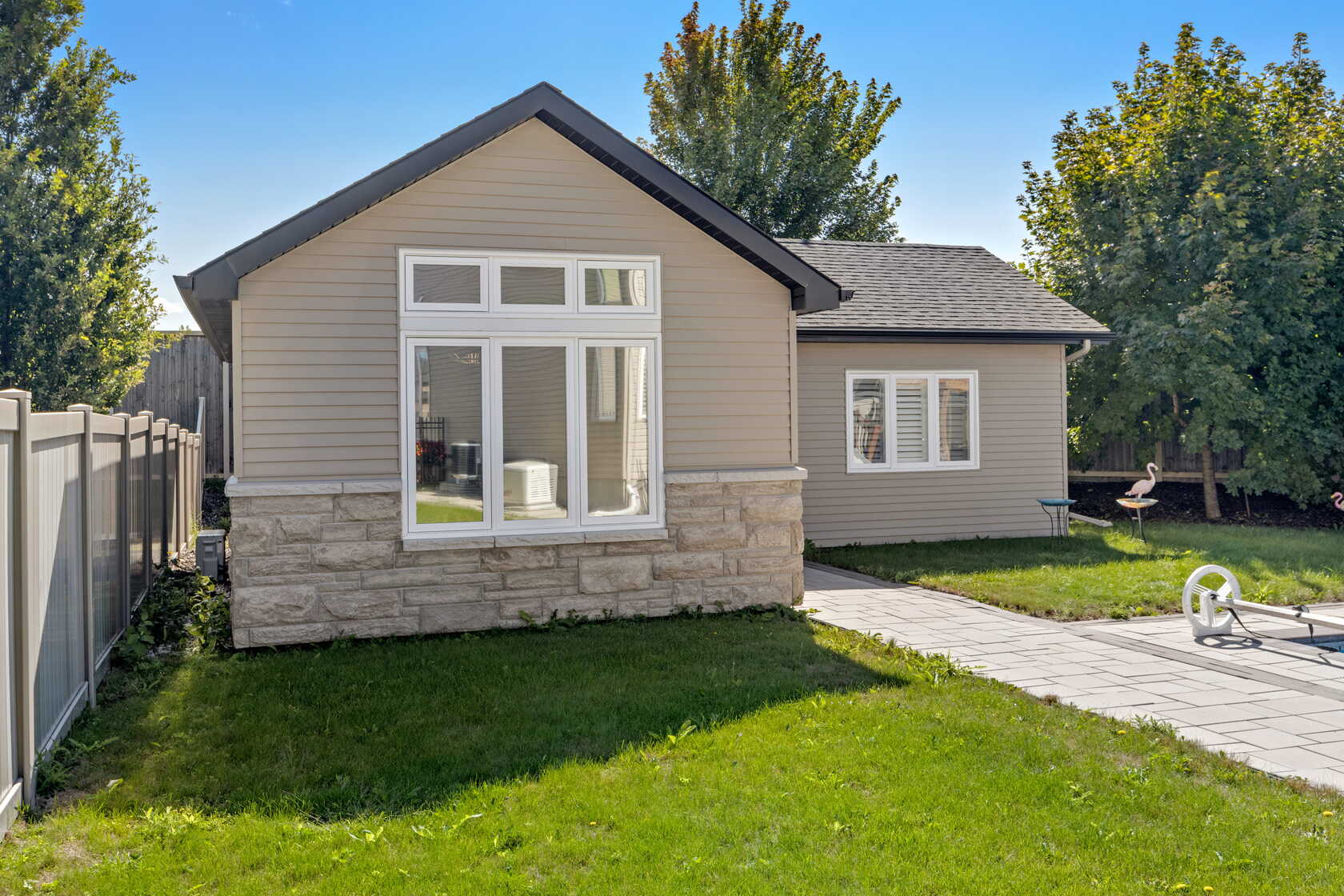
A home addition is any construction that expands or intensifies the physical structure of a dwelling. The most common triggers are added space, structural changes, and height increases.
Adding floor area always requires a building permit, including projects such as:
- Main-floor bump-outs and rear additions
- Side additions and enclosed porches
- Sunrooms and four-season rooms
- Covered or enclosed decks
- Additions over existing garages
Structural changes also trigger permits, even when the footprint change is small or nonexistent. This includes:
- New or altered foundations
- Beams, posts, or columns
- Removal or modification of load-bearing walls
- Roof structure changes to support new space
Any project that increases overall building height or enclosed volume, such as adding a second storey or raising a roofline, is treated as an addition and requires a permit.
How to Get a Building Permit for a Home Addition in Halifax
Getting started: zoning and permit basics
Your ability to build a home addition in Halifax depends on the Land Use By-law that applies to your property. Halifax is divided into multiple zoning areas, each with its own rules for setbacks, height, and lot coverage. Use the Interactive Property Information map from Halifax Regional Municipality to identify your zoning and review the applicable by-law.
Any project that increases the floor area or height of an existing building requires a building permit. Once you understand your zoning limits, you can begin planning your addition.
What qualifies as a home addition
Home addition work is covered under a Building Permit. This includes rear or side additions, covered decks, sunrooms, second-storey additions, and any construction that adds enclosed square footage to the home. Even small expansions are regulated if they increase the size or height of the building.
Related permits you may need
Depending on the scope of work, additional permits may be required. These can include lot grading permits or right-of-way permits for driveway or access changes. These requirements are reviewed as part of the application process.
Documents required for a building permit
Construction plans
Construction plans must clearly show both the existing house and the proposed addition. These plans include floor layouts, room uses and dimensions, foundation and framing details, plumbing and electrical layouts, heating and ventilation systems, smoke and carbon monoxide detector locations, and total floor area calculations. Roof plans and cross sections showing construction from footing to roof are also required.
Site plan
A site plan is required to show how the addition fits on the lot. It must include property boundaries, the existing house, the proposed addition, setback distances, driveways, existing buildings, and any projections such as decks or roof overhangs. Where applicable, watercourse buffers, coastal information, and municipal servicing details must be included.
Elevations
Elevations show all sides of the structure and include overall building height, roof slope, exterior finishes, window and door sizes and locations, sill heights, and the location of exterior stairs, guards, and handrails.
Additional approvals outside municipal services
If your property is near a provincially owned road or highway, approval from Nova Scotia Transportation and Infrastructure Renewal may be required before work begins, especially for driveway changes or construction within the highway right-of-way.
Applying for the permit
Home addition permits are applied for through Halifax’s online customer portal. Homeowners must register for an account, and contractors must create a contractor profile. All required documents should be prepared before applying, and using the correct document naming conventions helps avoid delays during review.
Permit duration and fees
A building permit for a home addition is valid for two years from the date of issue. Permit fees are based on the estimated construction value of the project, and full payment is required at the time of application submission. Payment can be made online by credit card or in person at the Planning and Development counter in Halifax.
Inspections during construction
Once the permit is issued, required inspections must be requested at specific stages of construction. These inspections confirm compliance with the Nova Scotia Building Code and local by-laws and commonly include footing, foundation, framing, insulation, plumbing, and final inspections. A home must not be occupied until final approval is granted.
How Much Do Permits For A Home Addition Cost In Halifax?
| Category | Fee item | Amount | How it applies |
|---|---|---|---|
| Building permit | MinimumMinimum building fee | $31.25 | Applies as the minimum charge when calculating building permit fees. |
| Building permit | All floors at/above average finished grade (Residential, 4 units or less) | $4.04 / m² | Use for added main-floor or upper-floor living area in typical additions. |
| Building permit | Floors below grade not more than 1.67 m (Residential, 4 units or less) | $3.36 / m² | Use for below-grade area where the floor is not deeper than 1.67 m (5.5 ft). |
| Building permit | Basements deeper than 1.67 m (finished or unfinished) (Residential, 4 units or less) | $1.35 / m² | Lower rate for deeper basements beyond 1.67 m (5.5 ft). |
| Building permit | Attached and detached garages (Residential, 4 units or less) | $1.35 / m² | Use for garage floor area included in the scope. |
| Renovations | All renovations and repairs | $6.88 per $1,000 | Used when the fee is based on construction value; minimum $31.25 applies. |
| Plumbing | Additions or renovations (no new units) | $25 | Applies if plumbing is installed or altered as part of the addition/reno. |
| Plumbing | New residential construction (4 units or less) | $50 / unit | Applies if creating new dwelling units (not typical for a standard addition). |
| Plumbing | Other multiple unit residential buildings | $25 / unit | Applies for multi-unit contexts when units are created/affected. |
| Development | Residential development permit (enclosed adds and related items) | $250 | May apply depending on the type of project and how it’s classified in your submission. |
| Development | Basic development permit (decks, pools, sheds, fences) | $60 | Common add-on for accessory items such as decks (project-specific). |
| Development | Variance (if zoning relief is required) | $670 | Only if your addition cannot meet zoning rules (setbacks, height, lot coverage, etc.). |
| Solid waste | New residential unit solid waste charge | $248.29 / unit | Applies when a new unit is created (not typical for standard additions). |
| Engineering | Engineering related fees (non-engineering specific permits) | $250 | May apply depending on complexity and permit type. |
| Grading | Lot grading permit | $250 | May apply when grading/drainage changes are part of the scope (often location-specific). |
| Right-of-way | Driveway access / culvert | $250 | Applies if driveway work or culvert changes are required. |
| Occupancy | Residential occupancy (application + occupancy fee) | $100 total | Typically paid at completion when final approval/occupancy is processed. |
| Halifax Water | RDC - secondary or backyard suite (wastewater) | $2,103.24 | Applies when adding a new secondary or backyard suite (new unit). |
| Halifax Water | RDC - secondary or backyard suite (water) | $659.72 | Applies when adding a new secondary or backyard suite (new unit). |
| Halifax Water | Water / wastewater / stormwater inspection | $150 / visit | May apply if new service connections or specific inspections are required. |
Tip: For a standard home addition, you’ll usually total (1) building permit fee based on added area + (2) possible development fee(s) + (3) plumbing fee if fixtures are added/relocated. Halifax Water RDC fees typically apply only when creating a new dwelling unit (secondary or backyard suite).
For residential buildings with 4 units or less, Halifax primarily charges by square metre of added floor area, with a minimum permit fee of $31.25.
Typical addition scenarios:
- Living space added above grade (main floor or upper floor): $4.04 per m²
- Space added below grade (basement, shallow depth): $3.36 per m²
- Deeper basements (more than 1.67 m below grade): $1.35 per m²
- Attached or detached garages: $1.35 per m²
Example:
A 40 m² (430 sq ft) rear addition above grade
40 × $4.04 = $161.60 building permit fee
Renovation-based permit fees (when area-based fees don’t apply)
Some addition-related work is charged based on construction value, not size.
- Renovations and repairs: $6.88 per $1,000 of construction value
- Minimum fee still applies: $31.25
Example:
A $75,000 structural renovation tied to an addition
75 × $6.88 = $516.00
Plumbing permit fees (often overlooked)
If plumbing is added or modified as part of the addition:
- Addition or renovation to a house (no new unit): $25
- New residential construction (per unit): $50 per unit
This is a separate fee from the building permit.
Development permit fees (sometimes required)
Most standard home additions are covered under the building permit, but some projects also trigger development-related fees:
- Residential development permit (enclosed additions): $250
- Basic development permit (decks, sheds, pools): $60
- Variance (if zoning relief is needed): $670
If your addition does not meet setbacks, height, or lot coverage rules, these costs can appear quickly.
Solid waste charges for new units only
If your project creates a new residential unit (for example, a secondary or backyard suite):
- Solid waste charge: $248.29 per unit
Standard single-family additions do not trigger this fee.
Engineering and grading-related fees
Depending on location and scope, additional fees may apply:
- Lot grading permit: $250
- Grade alteration permit: $250
- Engineering review (where required): $250
Homes in Bedford commonly trigger grading permits.
Right-of-way and driveway-related fees (site-specific)
If your addition involves driveway work, service connections, or construction within the street right-of-way:
- Driveway access or culvert: $250
- Lateral connection to water or sewer: $250
- Pavement impact charges: 5%–30% of reinstatement cost
- Refundable construction deposit: $1,000
Not all projects require these, but when they do, costs rise fast.
Halifax Water fees (only in specific cases)
Halifax Water charges apply only if your addition creates a new dwelling unit or significantly changes servicing.
Examples:
- Secondary or backyard suite wastewater RDC: $2,103.24
- Secondary or backyard suite water RDC: $659.72
- Water or sewer inspection: $150 per visit
- Water service tapping: $375+
A standard home addition without a new unit usually avoids these fees.
Occupancy permit fees (at project completion)
Once construction is complete:
- Residential occupancy: $50 application + $50 occupancy fee
- Total: $100
This is required before legal occupancy.
Typical total cost ranges (realistic expectations)
Small rear addition (no plumbing changes):
$200 – $500 total permit fees
Medium addition with plumbing and grading:
$500 – $1,200 total permit fees
Large addition, second storey, or zoning variance:
$1,200 – $3,000+ depending on complexity
Addition creating a new unit:
$3,000 – $7,000+ once RDC and utility fees are included
Why Halifax Requires Permits for Additions
Permits exist to protect both homeowners and neighborhoods. Halifax uses the permitting process to ensure additions comply with zoning rules and meet building code standards.
Zoning review confirms that the addition respects setbacks, maximum height, and lot coverage limits. These controls help manage neighborhood scale, fire separation, drainage, and access to light.
Building code review ensures the addition is structurally sound, energy-efficient, and safe to occupy. Because additions tie directly into existing homes, Halifax requires confirmation that both the new construction and its connection to the existing structure meet current code requirements.
How to Get Building Permits For A Home Addition In Halifax
What a Home Addition Building Permit Covers
In Halifax, a home addition building permit typically combines zoning compliance and building code review into a single approval. In most cases, a separate development permit is not required for standard residential additions.
The permit review generally covers:
- Compliance with zoning rules for setbacks, height, and lot coverage
- Structural design and load paths
- Insulation, air barrier, and moisture control
- Heating, ventilation, and fire safety requirements
This combined process simplifies approvals but also means incomplete submissions can delay the project.
What You Usually Need to Submit
A complete application helps avoid back-and-forth with the municipality. Most home addition permits in Halifax require the following:
Site plan submissions typically include:
- Property boundaries and dimensions
- Existing house footprint
- Proposed addition footprint
- Setback distances to all lot lines
- Driveway, access, and exterior features
Construction drawings commonly include:
- Existing and proposed floor plans
- Exterior elevations showing height and massing
- Building sections through the addition
- Foundation and framing details
For larger or more complex additions, Halifax may also require structural design notes and mechanical or heating information to confirm system capacity.
Common Edge Cases That Still Require Permits
Some projects are often assumed to be exempt but still require approval.
Detached accessory buildings are regulated separately from additions to the main house. Detached garages or sheds that are 20 square metres or larger, or more than one storey tall, require a building permit. Smaller accessory buildings may not need a full permit but still require approval for placement and setbacks.
Secondary suites and backyard suites always require a building permit. Even if no exterior expansion occurs, creating or legalizing a self-contained unit triggers building code review, fire separation requirements, and plumbing and electrical permits.
Decks and porches can also cross into permit territory. Open, low-profile decks may not require permits, but once a deck is covered, enclosed, or incorporated into habitable space, it becomes part of the building and requires approval.
What happens if zoning rules are not met
If an addition does not comply with zoning requirements, such as setbacks or height limits, it cannot be approved as-is. Homeowners may need to pursue a variance, enter a development agreement, or redesign the addition to meet the rules.
Many permit delays occur because zoning constraints were not fully reviewed before design work began. Early zoning checks can prevent costly revisions later in the process.
Inspections during construction
Once a building permit is issued, Halifax requires inspections at key stages of construction to confirm compliance with the approved plans.
Typical inspections include:
- Foundation or footing inspection
- Framing inspection
- Insulation and air barrier inspection
- Final inspection before occupancy
Skipping inspections or building without a permit can lead to stop-work orders and expensive corrective measures.
Risks of building without a permit
Building an addition without a permit in Halifax carries serious risks. These include fines, enforcement orders, and requirements to remove or rebuild non-compliant work. Unpermitted additions often surface during home sales or refinancing and can delay or derail transactions. Insurance coverage may also be affected if work was completed without proper approvals.
How to approach your home addition the right way
A successful home addition starts with clarity about the type of project you are planning, whether it is a rear addition, second storey, or attached garage. Each has different zoning and structural implications.
Confirm zoning rules early to understand setbacks, height limits, and lot coverage before finalizing a design. Clear drawings and code-aware planning reduce permit review time and construction surprises.
Apply for permits before any construction begins. It is far easier to address issues during the planning phase than after work is underway.
Ready to plan your home addition?
If you’re considering a home addition in Halifax, working with an experienced local builder makes the process smoother and more predictable. Halifax General Contractors understand local zoning, building code requirements, and the permitting process from start to finish.
Whether you’re planning a rear bump-out, second storey, or major structural expansion, their team can assess feasibility, coordinate drawings, manage permits, and build your addition properly the first time.
Contact Halifax General Contractors today to book a consultation and get clear guidance on permits, costs, timelines, and design options for your home addition.