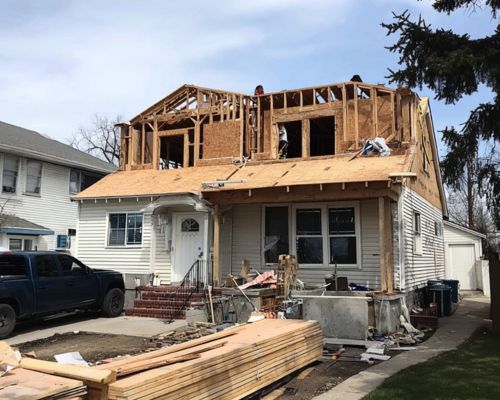
Do You Need A Permit To Build An ADU In Halifax?
Yes. Building any accessory dwelling unit (ADU) in Halifax requires a building permit, whether the unit is located inside the main house or built as a separate structure in the backyard. In addition to the main building permit, most ADU projects also require related permits for plumbing, water and wastewater, and electrical work before construction can begin.
In Halifax Regional Municipality, ADUs are broadly supported as a way to add housing supply and gentle density, but they are still regulated construction projects. The permitting process is how Halifax confirms that a suite is safe, code compliant, and legally occupiable.
This guide explains the types of ADUs allowed in Halifax, the permits required, high-level zoning rules, what documents you need to apply, and what to expect from the approval and inspection process.
What Counts as an ADU in Halifax
Halifax recognizes two main types of accessory dwelling units. Both are legal in many residential areas, but both require permits.
Secondary Suites
A secondary suite is a self-contained dwelling unit located within or attached to the main house. Common examples include:
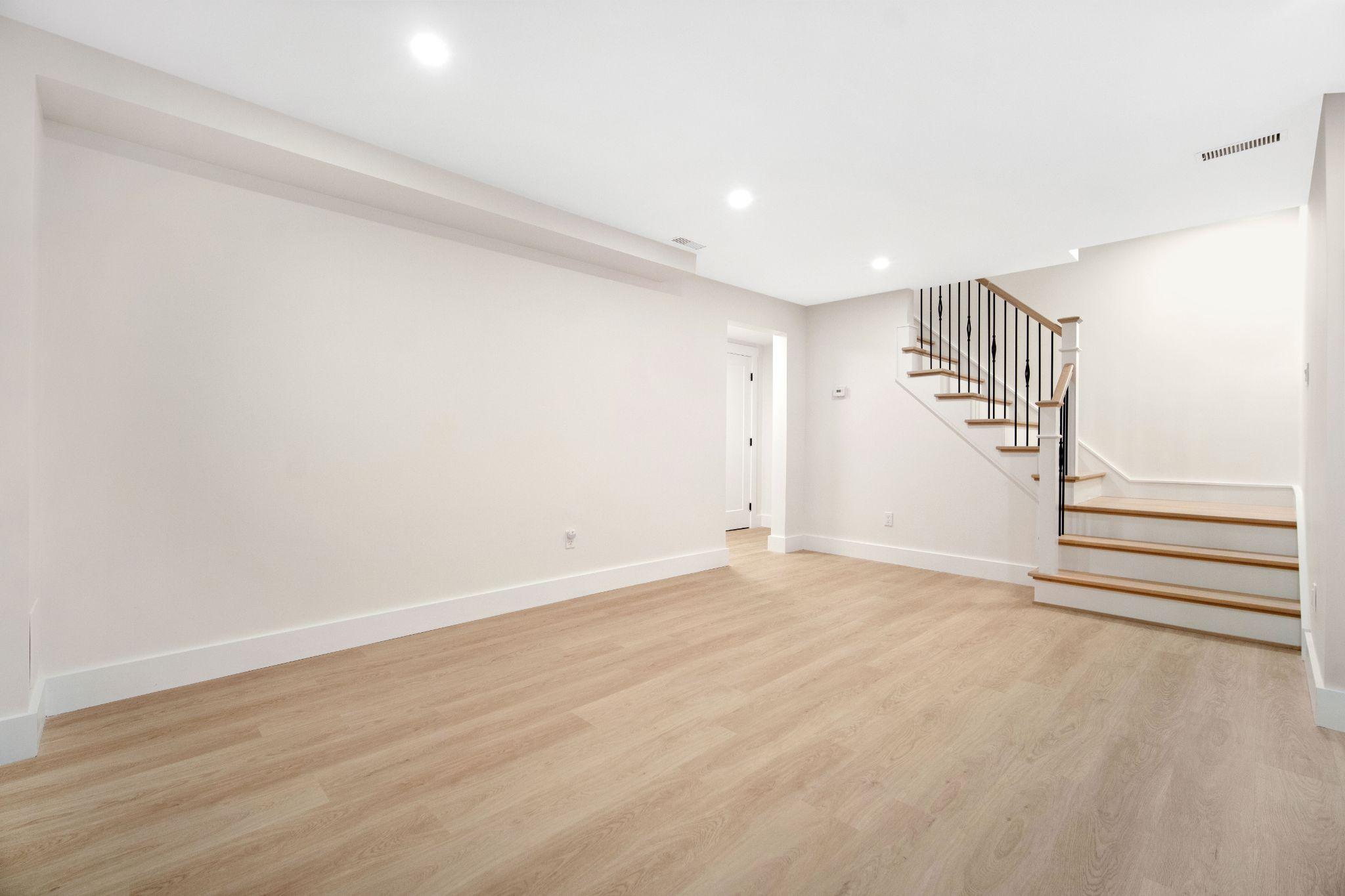
- Basement apartments
- Over-garage suites
- Internal apartments created by converting existing space
These units have their own kitchen, bathroom, sleeping area, and entrance, even if some services are shared with the main dwelling. Halifax refers to these units as “secondary suites” in its permitting system.
Backyard Suites
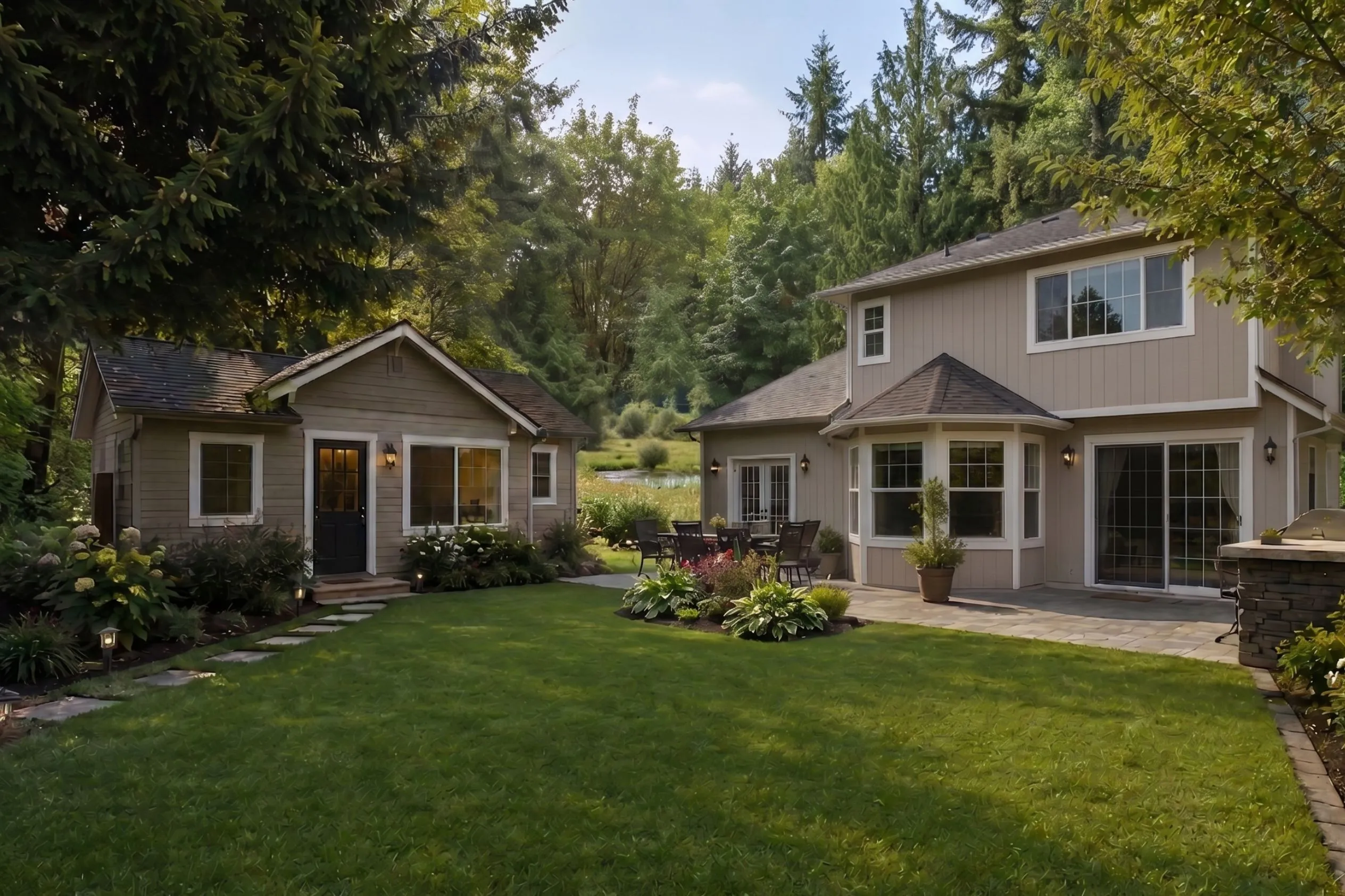
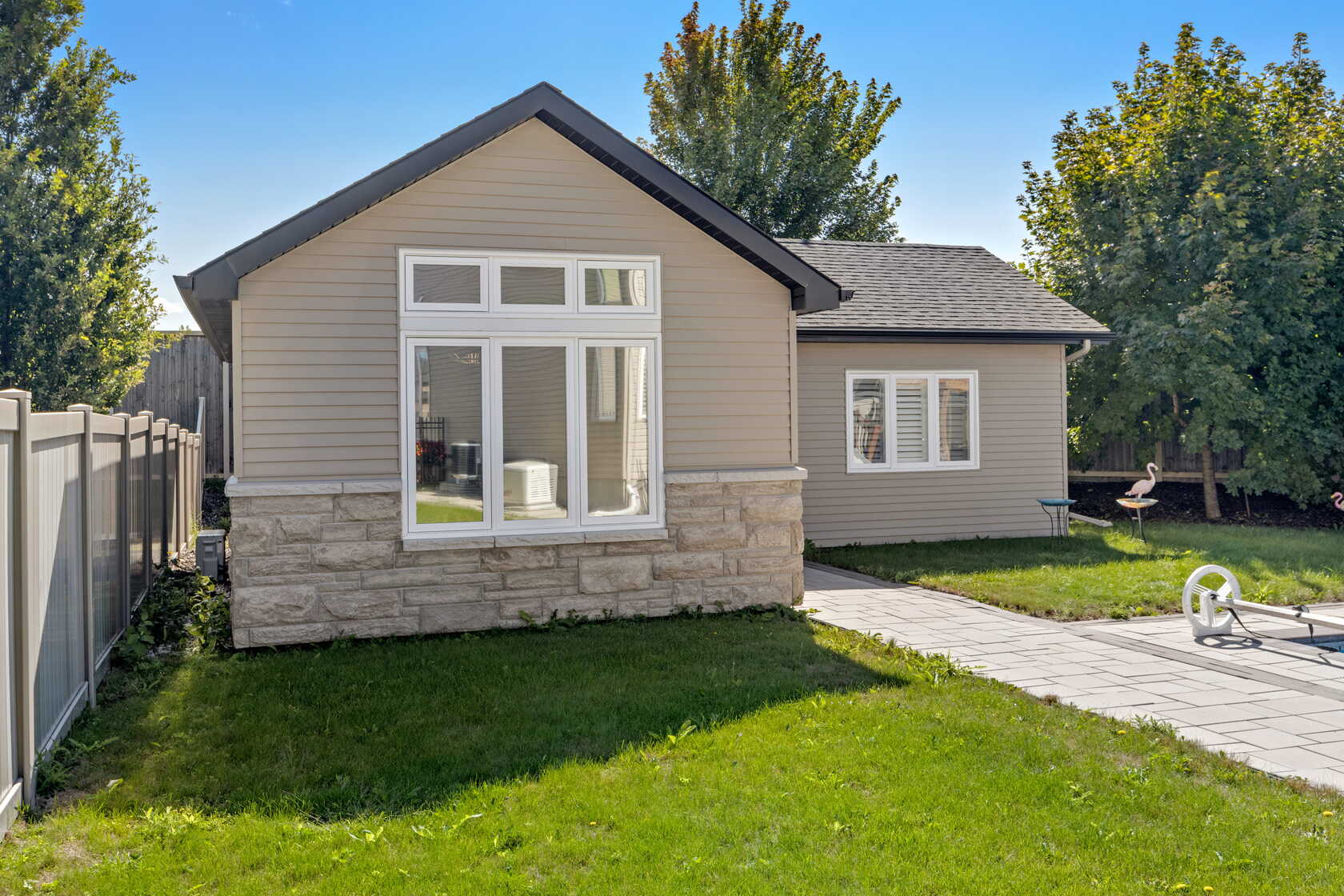
A backyard suite is a separate dwelling located in an accessory building on the same lot as the main house. These are sometimes described as:
- Detached backyard units
- Converted garages with living space
- Small standalone dwellings similar to tiny homes
Backyard suites are physically separate from the main house but still accessory to it. They are regulated both as dwelling units and as accessory buildings.
Why Permits Are Mandatory for ADUs
An ADU is not treated as a simple renovation. Whether internal or detached, it creates a new dwelling unit, which triggers full building-code review.
Permits are required because ADUs involve:
- Life-safety requirements such as fire separation and exits
- Plumbing and drainage systems
- Electrical systems and load calculations
- Structural work, especially for new or converted buildings
- Water and wastewater servicing
Even when an ADU is created inside an existing basement or garage, the change in use means the space must meet current building-code standards for residential occupancy.
Building Permit Requirements for ADUs
A Building Permit is mandatory for all ADUs in Halifax. This applies to:
- New construction of a backyard suite
- Conversion of a garage or accessory building
- Interior renovations to create a basement or internal suite
- Additions to the main house to accommodate a suite
You apply under a Residential Building Permit and select either “secondary suite” or “backyard suite,” then specify whether the work is a renovation, addition, or new accessory structure.
This single permit covers both zoning review and building-code compliance for the ADU.
Related Permits You Will Also Need
In addition to the main building permit, most ADU projects require several trade or servicing permits.
Plumbing Permit
A plumbing permit is required for all ADUs because each unit must have its own kitchen and bathroom. This includes:
- New water supply lines
- Drainage and venting
- Fixture installation
Water and Wastewater Permits
If the ADU connects to municipal water or wastewater systems, Halifax typically requires water and wastewater permits. These confirm that servicing capacity and connections meet local standards.
Electrical Permit
Electrical permits are almost always required for ADUs. New circuits, lighting, outlets, smoke alarms, and often panel upgrades must be inspected separately from the building permit.
These related permits are usually applied for alongside the building permit and must be in place before the application can move forward to approval.
Zoning and Size Rules for ADUs in Halifax
Halifax generally allows ADUs “as of right” in most low-density residential zones, including areas zoned for single-unit, two-unit, and townhouse dwellings. However, compliance with zoning rules is still required.
Land Use By-law Compliance
Your ADU must meet the Land Use By-law for your specific zone, including:
- Maximum building height
- Minimum setbacks from property lines
- Lot coverage limits
- Location of accessory buildings
- Parking requirements, where applicable
Zoning compliance is checked during the building permit review.
Typical Size Limits
While exact limits depend on the zone, ADUs in Halifax commonly fall within these general ranges:
- Secondary suites often have size caps around 80 to 90 square metres of floor area
- Backyard suites are also subject to accessory-building rules, which can limit footprint and height even if the suite size cap is higher
In practice, the maximum allowable size is often determined by whichever rule is more restrictive for your lot.
How to Apply for an ADU Permit in Halifax
Halifax uses an online application system for residential building permits.
Application Type
When applying, you select:
- Residential Building Permit
- Secondary suite or backyard suite
- Renovation, addition, or new accessory structure
Choosing the correct category helps ensure your application is routed for the appropriate review.
Drawings and Documents You Will Need
ADU applications require detailed drawings. Concept sketches or rough layouts are not sufficient.
Site Plan
A site plan must show:
- Property boundaries and lot dimensions
- Location of the main house
- Location of the proposed backyard suite or converted building
- Distances to all property lines
- Driveways, walkways, and other structures
This allows Halifax to confirm zoning compliance.
Construction Plans
Construction drawings typically include:
- Existing and proposed floor plans
- Room uses and labels
- Building elevations for new or converted structures
- Structural information
- Plumbing and electrical fixture locations
- Fire separation details
- Egress windows and exit paths
- Smoke and carbon monoxide alarm locations
These drawings demonstrate compliance with the Nova Scotia Building Code.
Inspections and Approval Process
Once permits are issued, inspections are required at multiple stages.
Common Inspection Stages
For ADUs, inspections often include:
- Framing inspections
- Plumbing and electrical rough-ins
- Insulation and vapour barrier inspections
- Final inspection before occupancy
The property owner is responsible for booking inspections at the correct times.
Occupancy and Legal Use
You cannot legally occupy or rent an ADU until it has passed final inspection. The inspection confirms that the unit meets both zoning and building-code requirements.
Practical Takeaway for Halifax Homeowners
Whether you are converting a basement or building a detached backyard unit, ADUs in Halifax always require permits. Plan on:
- One main building permit for the suite
- Separate plumbing, water, and electrical permits
- Detailed drawings showing zoning and code compliance
- Multiple inspections before final approval
While the process may seem involved, it is designed to ensure ADUs are safe, legal, and suitable for long-term use.
Final Thoughts
Halifax has made it easier to add secondary and backyard suites in many residential areas, but permits are still a non-negotiable part of the process. The permit review confirms that your ADU fits your zone, meets size and height limits, and complies with the Nova Scotia Building Code.
If you are considering an ADU, start with zoning research and professional drawings, then apply for the required permits before construction begins. Done properly, the process allows you to create a legal, compliant unit that adds value, flexibility, and housing options to your property.